
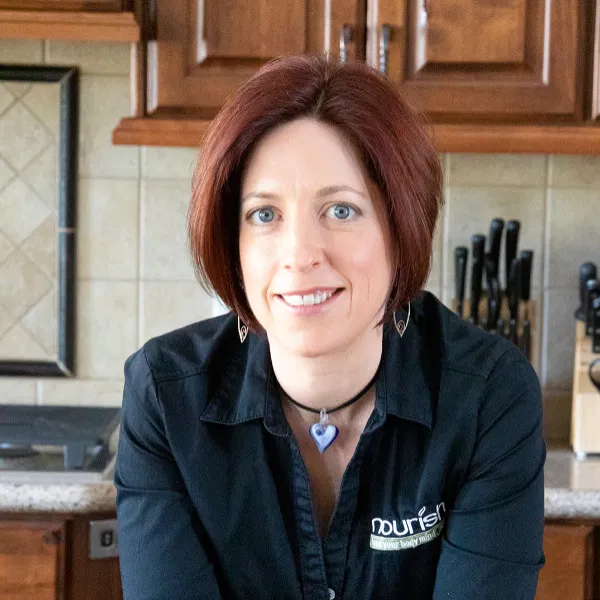
In this episode, I reconnect with my longtime friend Kirstin Carey, a serial entrepreneur and business strategist, to talk about what happens when you’re doing all the “right” things in business… but the results still aren’t clicking.
We explore why curiosity is the underrated superpower in sales, leadership, and relationships, and why most “sales resistance” is really about story, emotion, and identity. Kirstin shares practical ways to ask deeper questions (without feeling salesy), how to reframe money as an energy exchange, and how to reconnect to what you actually feel - especially if your brain is constantly chasing stimulation.
If you’ve ever struggled with authenticity vs. “what the experts say,” felt weird about selling, or found yourself stuck in distraction and dopamine loops… this one will hit home.
Key Takeaways (bullets)
Curiosity is a leadership skill: ask better questions and you get better outcomes.
People buy emotionally and justify logically, even when they insist they’re “logical buyers.”
“Authenticity” isn’t performative vulnerability; it’s showing up in alignment with what’s true for you.
If you’re doing the “right” marketing steps and getting the wrong results, the disconnect may be energy/alignment, not tactics.
A practical sales shift: when someone asks “Tell me about your program,” respond with questions first so you don’t waste their time (or yours).
Powerful sales prompts: Why this? Why now? Why me? (and what happens if they can’t answer).
Money confidence is often about what you can say without hesitation — your “normalcy” sets the tone.
“Vomit journaling” (a Morning Pages-style practice) can help clear noise and access what your subconscious is trying to tell you.
Kirstin’s website: https://evolveminded.com
Kirstin on LinkedIn: https://www.linkedin.com/in/kirstincarey/
Kirstin’s podcast – The Frequency of Yes: (start here): https://podcastrepublic.net/podcast/1824900125
Unedited Transcript
Hello, Kirstin. How are you?
Kirstin CareyI am well. How are you, Avish?
Avish ParasharI'm great. Very excited going chatting with you. You know, one of the things I've been doing this podcast for a year, one of the biggest benefits is I've mostly reached out to a lot of old friends and people I haven't spoken to in a while. And so I'm super excited to catch up with you and reconnect and go in deep in everything you've been doing. But before I start, you know, waxing poetic about, you know, how awesome you are and start jumping and peppering you with questions, there are some people who, you know, haven't known you for 20 plus years like I have. I know. So let's start with that.
So could you just share for people your sort of one minute who you are and what you're up toright now?
Kirstin CareySure. Kirstin Carey, I am a serial entrepreneur, if you look at it from any other direction. Really, that's the only way to see it. I've had successful businesses in brick and mortar as well as online. And I started out like out of the gate, which is why you and I know each other in consulting and coaching in corporate. And I did that for years. And I was a professional speaker for many, many, many years.
And that's how I got my start way, way, way young. I was 20 something. And I got the opportunity to intern for one of the, I think, most well-known professional speakers at the time. She owned a training company. And I thought, oh my God, they're paying people to do this. I would do this for nothing. And I had a really successful career doing that with clients like Verizon and UPS and Aramark. And I got basically my body shut me down because I was diagnosed with autoimmune conditions, celiac disease, and Hashimoto's, for those of you who are interested. And that turned me into a world of having to learn about health and wellness because I couldn't get answers in traditional medicine.
So I, of course, went through, because like most entrepreneurs, I went and found the answer I was looking for and became trained as a natural health practitioner and had to do it my way. So I opened three restaurants that were for schooling free restaurants in Arizona. And so I pulled the brick and mortar piece as well as the health and wellness piece. And then I went online with the health and wellness, helping other people reverse autoimmune.
And I did that for 15 years. And sold, since sold the restaurants. But in that interim, I, you know, I didn't dress up as a nutritionist for Halloween. That wasn't like what I wanted to be when I grew up. So just because I got dragged into it and created an entire business out of it and hit seven figures with it, I mean, it was doing really well. I found that I was complete with it as a business looking at the healthcare from the front end. And I started seeing how many business owners, especially women, were struggling on the back end of their businesses because they were trying to push through and force businesses in ways that they were sacrificing their bodies in the process.
So that's the pivot that I'm in now is that I'm turning it over. So it's not like, hey, I'm a health company. I'm a business company helping you support your business, but with making sure that your body is also not getting crushed in the process. So I'm taking all of my business knowledge after 33 years of being in business for myself, running companies online and in brick and mortar successfully, and then also understanding the health and wellness component to it so that you're not coming apart at the seams, especially women. And though men hit this around the same time too, you start hitting that 40, 50 year old self, those Gen Xers and boomers out there of us. We also hit a shift in our life that hormonally we start shifting. So we get more pressure.
And then our generation, so those of us that are Gen X, the best generation ever, we are now squashed between taking care of kids and taking care of older parents in a way that we're getting lost in the shuffle. So I see a lot of my clients are in that Gen X era where they're struggling to find themselves and not also then suffer emotionally, mentally, physically.
So that's where I am. Yeah.
Avish ParasharYeah. And it's almost a full circle thing,right? Because when we first met, you were a speaker, and a lot of what you're talking about was marketing and sales. And then you kind of went on this whole journey where you were still doing the coaching in your own way and consulting and whatnot. And now you've kind of come back. It's funny, you said, you know, you didn't dress up as a nutritionist for Halloween. But now that begs the question, like, did you dress up as a sales consultant?
Kirstin CareyI did. I always wanted to own my own business. I actually knew that. So I always, that was always in my head, even though my father worked for the government my whole life and that whole, you know, nine to five or I guess eight to four for him, that idea, I didn't know anybody who owned their own business. And when I realized I could do that, I was like, what? So yeah.
Avish ParasharNow you're in it. So you mentioned a couple of things that I'm going to ask about later in the free consulting section of this interview. But let's start more with kind of talking about where you are now and some of the process. So it's an interesting approach. You've kind of combining everything you've done, the sales, the marketing, the running the business, but also the health. So, and you kind of touched upon a little bit, like, you know, you see business owners, Gen X, especially women. But like, is that your target niche?
Do you have like an industry? Like, who do you specifically work with? Is anyone who's kind of struggling in there? Kind of who do you, who's the best person that you work, not who's the best person you work with? No, like who's the best fit for you to work with?
Kirstin CareySo even though I can, it's the same process, whether you're male or female or no matter how old you are, there is some uniqueness, I think, to how women process information and men process information. And most of the sales and marketing processes that are out there are typically more masculine driven as far as there's more push, there's more walk it off, it doesn't hurt that bad kind of energy, which serves us to a point. But I think women do process information physically differently than and emotionally differently. So women tend to gravitate towards me, even though I have more of a masculine approach to doing a lot of things. But I've found that when you can find the balance between more of that masculine energy and the feminine energy, and now I'm sounding super woo, that you find more of a balance. And physically, women do take on more information from outside of them. Men are much better at kind of blocking that, if that makes sense.
So women are much more empathetic where they take in more information, and then they struggle with that because it actually does have an impact on their hormone balance and how they process emotionally. And we're more of a collective energy where men are much more of a like single information, like they take in information. Yeah. So women tend to gravitate more towards me. And I think I speak more of that language, especially from the woman who was brought up Gen X, where you walk it off, you suck it up, you keep going, you push on, especially those of us who are athletes. And that starts to hurt us over time in a way that we don't realize. And then you hit your 40s and they're like, oh, it's just menopause.
And then they just give you some, you know, meds and then you're off on your way and you're still struggling. But you don't know because they're telling you that's normal. So I can take it from both sides where I can literally get into the hormone balance and the labs if you really want me to. But I can also take it from the energetic and also the logic of that's hurting you in a way and no, you're not crazy. So, but business is still business. You still need to have the audience that wants what you have. They see the problem to be important enough to pay for and that you have a solution that they trust is going to work for them.
So all of that's still the same male, female, brick and mortar or online.
Avish ParasharInteresting,right? Because I think that's what makes what you do interesting because yeah, that is the foundation. But I think so many people struggle with that because there's all that stuff underneath. So like, yeah, okay. There's plenty of people I think who they're like, well, here's my target and here's what I offer and here's why it's unique. And then they don't sell any of it. Probably because they're, you know, trying to do it in a way that doesn't align with them or getting in their own head and in their own way.
So, you know, and I think I saw on your website you have kind of like a four-step process. So how does someone start? If someone comes to you day one are like, look, you know, I suck, I need help.
What do you do? How can you help me?
Kirstin CareyWell, you know, I first should look and see what do you think sucks? Is it conversion in sales? Do you have people actually coming to you who they're showing up on sales calls with you and they're not converting? Or do you not even have enough people coming to you? I mean, we got to figure out where in the process the problem really is. And what I have a lot of my clients is they have people coming to them or they have some sort of process where they have some free webinar, they have some $22 offer. They've got something that's driving people in.
They've got a podcast that's driving people in. But something's not clicking,right? And you know, a lot of the coaches out there will be like, well, it's because your niche isn'tright. I'm like, your energy isn'tright. Your vibration isn'tright. Like I found for me towards the end of the health and wellness piece, I energetically was starting to disconnect because I was complete with that part of what I was learning as an entrepreneur. And I had built the company.
I had all the team underneath me. I mean, essentially they were doing the things. But I had maxed out where I was learning at a level and I also didn't enjoy what I was doing the same way anymore. And that will literally turn clients away, whether you realize it or not. So if you're no longer in it and excited about it, there's a grind energy coming up to you now. There's that, well, I've been doing this for 15 years. What else would I do otherwise?
That's usually the biggest problem I find with most people.
Avish ParasharSo would that also be the case that if not just, allright, I've maxed out my level, but I don't really want to do it anymore? Would that also be the case for someone who hasn't been doing it that long, but maybe they are doing things the way they feel they should or they've been told, but maybe deep down they're like, eh.
Kirstin CareyYes. Yes. It's the shitting all over ourselves. It's this is the way business should work.
And I'm going to go do the steps,right? And so they do all theright things. Like if you feel like you're doing all theright things and getting the wrong results, there is a massive disconnect going on between how you're showing up. And people can literally feel that through your reels, through your posts, through everything on your social. There's the word authenticity keeps getting thrown around. And I don't think a lot of people truly understand what that means. Authenticity doesn't mean you're crying on camera and telling everybody that your life sucked today,right?
Though that's how a lot of people are showing up. Authenticity is you truly showing up, saying the things that are true for you in that moment, even if that's not the way you're supposed to do it through the rules of social media or through the rules of marketing and sales.
Avish ParasharYeah. And I have struggled with myself for like years that balance between what people tell me I should do and what logically the books and the experts say and then the stuff I want to do. And so how do you kind of figure that out? I guess. And this could be true. And I think, again, I don't have like clear data on my listenership, but you know, you've also got some people who are solopreneurs have their own business, but you've got some people who are probably just sort of, you know, working a job, living their life. So you know, I don't know how much this would apply to those people as well.
I think authenticity can do anyone. But so how do you go? And it's funny, I'm asking you this question because I'm working on a new book and it's coming out hopefully in the spring. And it turned yes and into a six-step framework. But the second step is explore and express your core. So it's very much about like figuring out what is inside of you. So since I'm not done with the book yet, I want to learn from you and see what I can steal and claim as my own.
Kirstin CareySo I'm going to take this into a sales conversation,right? So whether you're on whatever side of the sales process you're on. So if you're buying something from somebody or whether you're trying to sell something to somebody, we're in a sales conversation with people constantly. We're trying to sell our spouse somewhere to go to dinner that night. We're trying to sell our children on staying in bed one minute longer because we want to sleep. Like we're in a concept of selling. But when we're coming at it from a perspective of this is what I need, but not what you necessarily need.
We're not going to win is not the word, but we're not going to bring people into our way of seeing things,right? So every single one of us, and men are going to argue with this one with me, but every single one of us buys based on an emotional connection. We use our logic to justify it.
Avish ParasharSecond, quick time out here. So still writing the book. Step five in the framework is to notice the N in yes and notice and nurture emotion. Literally, I'm working on that chapterright literally today. I wrote, you know, you've probably heard the phrase that people buy on emotion and justify on logic. So maybe all other men would push back on you, but I agree 100%.
Kirstin CareyI love it when my male clients are always like, well, I don't. I'm a logical buyer. I'm like, it's adorable that you believe that. And that's still an emotional response.
Avish ParasharYes. Yes.
Kirstin CareyRight? Because there's this belief that we're not strong if we're not logical or we're not smart. There's a story behind that sentence. So when we start to understand that everything comes back to that, are you connecting yourself to the emotional reason why you make the decisions that you make? So I can tell most, but here's a really easy way to figure out what's really important to you. Go open your phone and look at the pictures that you've taken in the last month. Look at the top five themes.
Then open your credit card statement and look at the top five themes where you spend most of your money,right? It's very obvious who you're dealing with when you look at my credit card statements or look at my phone or look at what I've posted on social media. They're the things that are important to me. You can tellright away that my dogs are important to me. You can tellright away that health is important to me. I will spend most of my money on my mortgage, my food, supplements, and my dogs. You can tell a lot about me based on where my money goes.
And people are like, well, everyone's broke. I'm like, if they're telling you they're broke, that what they're telling you is what you have to offer from their perspective isn't hitting them in their emotional space. Period.
Avish ParasharOkay. No, I like that.
I like that just simple way of kind of just look at your pictures, look at where you're putting attention. I think I once heard, you know, years ago someone say, if you want to see what your priorities are, you know, look at your spending and your calendar. Like where you're spending your time, where you're spending your money.
Kirstin CareyExactly.
Avish ParasharIt doesn't matter what you say your priorities are, like that is what your priorities are.
Kirstin CareyYeah. And people say, well, I have to, and you have to hear some of the words that come out of your mouth. Well, I have to do this. I'm like, no, you believe you're supposed to do that because you're emotionally attached to what you think comes from that. So if you grew up in a situation where, like I grew up in a situation where my father was very good at making, like my sister and I bought into, and then my brother, years and years and years later, because he's so much younger than us, bought into the idea that you are a strong person when you suck it up, you walk it off, and you don't talk about the emotion behind something. So to me, being strong meant that I was sucking it up, I was walking it off, and I wasn't complaining, and I wasn't, which is great, but I have an emotional attachment to the idea that I don't cry,right? So I identify as a very strong woman, but at the same time, it's crushing my soul when I don't express emotionally.
I had to learn how to do that. That became a process I had to go through. But when you're, that is your client, and she thinks being strong is not asking for help, you need to speak to that.
Avish ParasharAnd so I guess this is going back now 20 years. The way you find that out is by asking like kind of targeted, pointed questions to kind of get to the root of what, this isn't a sales conversation obviously, or I guess in any, you know, it's all conversations are basically sales conversations. It's asking and listening to the answers.
Kirstin CareyYes. It's asking to the story, how does someone describe themselves? What are the five words somebody would use to describe themselves? And then why are they using those words? That's the most important part of it. People usually get to this level of the sales and marketing piece. They don't go to the level underneath it.
You know, if you identify as a strong person, why? And what does strong mean? And I would have told you strong meant you don't cry,right? Now I'm like, oh, and also because I learned to buy, I mean, I was, you know, you've known me a long time. I was like superpower level good at compartmentalizing. And I would celebrate that part of who I was. It doesn't mean there's anything wrong with that.
But over time, when there's no process for you to alleviate what you're sucking up and process, like not processing, you're shoving it down, that eventually literally will eat away at your system. So when you have a, you're trying to attract a client and you understand them to the level of their story is I'm strong and I walk it off and I don't show up like the average woman, you have to, you have to speak to that. You have to solve that.
Avish ParasharWell, it's also funny because I, you know, I said, oh, you know, maybe they're not, well, some people are business owners and some who aren't. I would actually think this is even more useful or applicable to someone who has like a job or something because in a sales context, you have to get this done in like 10 minutes,right? You got to be able to notice, pay attention. But if you're seeing someone every day, you have the time to really start to figure out like, but I think so many people don't. They just make the assumptions based on how someone behaves and then they go to what they think. Like I'll just say, I'll interact with a coworker in the way that I believe I should, not necessarily in the way that will get me the best result.
Kirstin CareyRight. Most people.
Avish ParasharSo you can do these things really well, even if you're not a solo business owner or a small business owner.
Kirstin CareyYes. This is any leadership. So if you want to just take the word leadership, any level of leadership. So whether you're a business owner, you're a manager, you are running a business at any capacity. You're trying to manage expectations from a client or a customer. If you're on register somewhere and you've got somebody who's coming at you and they're all frustrated, it's not about you in that moment. It's about them and the story that's behind it.
So if you understand why your employees, like, I mean, again, I had 28 employees at one point across three different brick and mortars and an online business where we were pulling in over seven figures. There was a lot of expectation on many sides, the customers, the employees, you know, everyone. When I understood that the majority of the people who worked for me weren't working for me because of the amount of money they were being paid. Most people do not do the job for the money. And we all think we are. 90% of why we're in a job or we're running a company has nothing to do with the money. It has to do with what we think we're getting from that.
So why this company? Why now? Why are you doing this job today? What about this job is exciting you? So if you understand that, you can actually reward your employees in ways that has nothing to do with money.
Avish ParasharYeah.
Kirstin CareySo you go ahead.
Avish ParasharI was going to say it's funny, you know, self-promotion going back to my framework. Step six, the D stands for dig deeper, which is exactly this. It's like ask questions and don't just take the surface level answer, but dig deeper, kind of like I said, to get those motivations, whether it's a sales or an employee or a partner or a friend or whatever, like just be in the moment and ask questions, listen, and dig deeper. You can find so much out.
Kirstin CareyIf you can get super curious and ask the question, why? Like you have three kids. You understand that's probably their favorite question, especially around the age of two, three, and four, because that's the part where our brains are actually starting to pull in the most information in the rationale behind what's going on. By the time we turn seven, our brain shifts biologically. It shifts over into less sensory experience, so less of what we're hearing and feeling and sensing and more into a logical shift. So at that point, kids are trying to figure out, but why, but why? They're not doing it the way we do as adults, but they're literally feeling something.
Like they're sensing something and they're trying to make connections on it. Do I feel saferight now?
Do I not feel safe? We lock in those things at those ages. And then at 45, we're running around making decisions based on that interpretation.
Avish ParasharWell, then let's talk about that a little bit. Because so far it's been the alignment, the digging deeper, the figuring out externally,right? What motivates this person I'm talking to and how can I connect with them in a way that's going to move the needle? But you know, I talk about a lot of things and you know, I love leadership change, all that stuff. But probably the thing that I was talking about at the end of my talk that jazzed me the most is like when you turn it internal,right? How do you fulfill your potential, get out of your own way? So then how would you, how would you do this process on yourself?
Like not let me understand Kirstin so I can sell her something, you know, not in a bad way, but you know, how can I use the me seal to really make sure I'm aligned and I'm vibrating at theright level where I'm not getting in my own way?
Kirstin CareyWell, I mean, the first thing is just getting real with yourself. Am I happy? And I don't mean happy from the sense that, you know, it's butterflies and magic all day long. But do I actually literally feel things? And a lot of people don't. They're not present enough to actually know how they feel. They'll say, I'm anxious, I'm depressed.
Let me take a medication. Let me squash it. Let me go drink some caffeine. Let me go drink some alcohol. Let me go do something to suppress what I'm feeling.
Do you actually feel things? And if you do, can you actually identify that with a connected word? Like I have an entire, we call it the wheel, but it's this giant wheel and it has all of these different emotions listed on it. And I have clients who will literally have that with them because they have blocked their ability to connect with what the emotion is. So they, I mean, have to look at this. And this isn't, this is the majority of people. This isn't like people are just completely disconnected where we never learn to process, especially Gen X, we're kind of actually the ones who really, really, really struggle with, I don't even know how to identify how I feel.
But our society says you're not supposed to feel the things you don't like. So let's suppress that. And if you're not feeling the things you don't like, you can't just turn on one faucet and turn off the other. You're not feeling anything.
Avish ParasharYeah.
Kirstin CareySo the first thing is to sit and just be like, what do I actually feelright now? Do I put words to it? And it's not just like I feel sad. I feel frustrated. I feel annoyed.
I'm like under that. There's more to this,right? And I have clients who get really frustrated with this part of the process, but I'm like, that's your entire somatic intelligence. Your body connection to telling you how you feel tells you whether you're safe or not at our primal level.
Avish ParasharWell, it's funny because you're sort of preaching to the choir at the logical level. Because I've known this about myself for years. But you know, just don't ask me if I've done much with it. So it's just like, there's like, well, number one, it's hard. And it's hard in the reverse way of hard things. It's hard because it's like meditation,right? It's hard to do nothing.
It's hard to.
Kirstin CareyOh, I see there's your story,right? That's your storyright there.
Avish ParasharYes. So what do we do about that?
Kirstin CareyHard to do nothing. Well, let's look at that. Why is it hard to do nothing? Whose voice is in the back of your head saying you shouldn't be doing nothing? And why do you even think it's nothing?
Avish ParasharWell, so I'm going to approach it from a different angle leading into more your health and nutrition background and my first bit of free consulting. So I've recently diagnosed myself as having like just all my issues are around dopamine management. And I have ever since a young age, really never been without stimulus, very rarely been deprived of anything. I've had a very fortunate upbringing, you know? So it's like immediate gratification has always been like there for me. And so the minute I engage in silence, and I've been trying to work on this recently, like trying to work with no stimulation, trying not to look at my phone during breaks just for that purpose. It's just, it's like a pressure builds up in my head of like, you know, there's so many other interesting things to do versus, let me put it this way, the most basic way I can say it is because those things are boring is probably, so it's not like a voice telling me those things are boring.
It's a feeling that like, well, that's really boring. And ooh, look, I could, I'll do that later. Right now, I can just kind of quickly check my email and see if anyone emailed me about something.
Kirstin CareyYeah. Because you'reright. It's a dopamine response,right?
Avish ParasharYeah.
Kirstin CareySo I have processes because most of my clients are in that space. I was in it for many, many years. And I still fall back into it,right? That's why social media is actually working against us and crushing our younger people because they're being taught really early on, if you don't get that dopamine hit from your like or your share or your whatever, you don't exist.
Avish ParasharYeah.
Kirstin CareySo there's a literal process that they don't feel like they matter. And we don't feel like we matter. We think we're in danger. And there's fight or flight the whole time. So you're in a fight or flight response at that point as well. And for some people, fight or flight feels like depression or boredom. It's not that like, oh, I'm stimulated in this way.
It's I'm not stimulated. So I'm forcing stimulation because that feels normal to me.
Avish ParasharYeah.
Kirstin CareyOkay. So I have a couple of exercises for people who do that. And it's, you're not going to be able to just go out of the gate and meditate for 45 minutes and be silent and quiet and have nothing in your head. It's just, that's an expectation that is unfair.
Avish ParasharYeah.
Kirstin CareySo I have a couple of processes that I take people through. One of them is vomit journaling, as we like to call it here, where you're just vomiting onto a piece of paper for three minutes. But most people do the, they think they're doing that. This is the way that it works really well. So you sit down, you have three pages. You write as fast as you can for those three pages. You don't pay attention to what's coming out of your pen, blah, blah, blah, blah.
You keep going, you keep going, you keep going. And then you throw those pages away. You burn those pages. You rip them up. You never read them back.
Avish ParasharYeah.
Kirstin CareyFirst thing in the morning I found to be the best because if we look at this from a biological standpoint, a physiological standpoint, your body's job at night is to detox and process information. One, if we're not going to bed by 10 o'clock, so those of you who like to think you're night owls, that's actually just a dysregulated system. If you're not asleep by 10, that's your body not getting actually all of the prime time detox time to get rid of this stuff. So first thing in the morning, you also have been processing subconsciously all night. So the vomit journaling is getting the rest of the toxins out of your system. Just like if your body's actually doing its job within an hour of getting up, you should be defecating. You should be moving things out of your system as well that were built up toxins from the night before.
Avish ParasharSo this is, I guess, your take on the morning pages?
Kirstin CareyYes. It's very similar to the morning pages.
Avish ParasharI just thought, because I also in the book.
Kirstin CareyYes. I have the book.
Avish ParasharCreativity and just wrote my morning pages.
Kirstin CareyIt's great. The second part, but when you realize the biological or the physiological rationale behind what's also happening there, it's clearing actual nonsense and crap out of our system.
Avish ParasharYeah.
Kirstin CareySo physically, people do better when they start doing that. Emotionally, they do better. And then I add a fourth page. Once people have done this for a week or so, I have them add a fourth page. Now, if you are getting much better at strengthening your somatic intelligence, the conversation that's happening within, there's usually a message or something that drops in. I found personally for me somewhere around page one and a half to two, if you've done this for a while, where there's an answer or a message or a sentence that comes through. Now, again, you're not reading anything back, but you flip to page four and then you sit for a moment and then you go, huh, that's the answer.
And it doesn't have to be earth shattering. We're not solving world hunger. It could just be be more present is the answer. It could be that simple. Or it could be an answer to something you've been trying to figure out for a long time. It could be, here's my target market now. It's something.
You then take page four and you write that sentence over and over and over, kind of like the, you know.
Avish ParasharKind of.
Kirstin CareyKind of, but I see it more as the Bart Simpson opening to the Simpsons.
Avish ParasharYeah. I don't mind whatever.
Kirstin CareyYeah. Because what you're doing is you're actually locking it into the conscious brain at that point.
Avish ParasharOkay. I like that.
And again, one of the many yes buts I've been saying to myself is, you know, like I've been, like I first started doing morning pages. I first did morning pages in 1998.
I recommend them. I wrote about them. And I keep telling myself, you should do this again. So maybe now I'll do the vomit pages of the vomitright journaling method. And I like that fourth page. I haven't heard that before. So.
Kirstin CareyI just, it was a combination of things I started seeing helps with clients. Because usually once you start making that somatic connection, something's coming through and then you're like, oh, I'll remember that. You won't. You're processing,right? So you want to capture that one thing. Where I find my perfectionist clients or my super logical clients fall into a hole there is that they try and make it this perfect sentence. It's never going to be this perfect sentence.
It was for you in that moment. You're just capturing it.
Avish ParasharRight.
Kirstin CareyRight? So that for a lot of people works really nicely because you're not not doing nothing.
I mean, you're never doing nothing. But there's a part and what it's doing is it's actually activating your connection to your subconscious brain and your conscious mind. And it's allowing you to open up pathways and create neural plasticity in a way that's creating pathways in your brain that you shut down or never had access to. So there's a whole biological component behind this. There's a physiological component. There's a neuro component to this. There's so many pieces that I take people through.
And then I also then use all these other modalities to get them back into on purpose, the theta state, which is a subconscious opening for you to make process. And you can do this with, and I've done it, psychedelics, magic mushrooms and psychedelic experiences when you're doing it theright way and you're not just taking them for fun. And we're also, there's ways to access that same part of the brain through specific types of breath, which is very intense. And I have very specific exercises I do with people doing that, opening up frequencies in their brain so they can access them again. But most of us, especially those of us who are athletes or people who learn how to press on, press through and override our body's message that we were pushing too far, we shut down those pieces. So you could sit there all day and you could write till the end of time and not access some of them because you, like, it's like a door that's locked that you don't even realize the door is available.
Avish ParasharSo do you recommend, do you kind of just go all in on this or do you recommend someone like start with the writing and if they're feeling stuck with it, then you kind of try some of the other things? Or the day one we're going to write, we're going to do the.
Kirstin CareyYeah. I do a lot of the things. It depends on what their symptoms are when they first start. And the symptoms, you know, for some people, literal symptoms of like, I don't sleep at night. I don't go to bed until two in the morning. You know, I'm struggling all day even though I've slept all night. I'm frustrated and I can't, you know, come up with words.
If they're tired when they wake up, even though they've slept all day, they're doing all theright things and then they have stomach issues. So I go down the rabbit hole of the physical symptoms. But then I also go to the, how do you feel about connecting with people? How do you feel about connecting with your audience? Are you actually closing clients who are potential clients that are showing up? Like I take it into that realm too as a symptom. To me, if you're not, if your conversion rate on a sales call is under 10, is, well, I think under 50%, but most people will think under 20%.
But if you're under 50%, if you're not closing half of the people who are showing up in front of you, something's wrong. That's a symptom.
Avish ParasharAllright. Well, let's talk about that. Well, it's interesting,right?
So I've, and this is, you know, fun for me because back when you were in Philly many, many years ago, you know, we first became, you know, when we first became friends, a lot of it, I was a newer speaker than you. So you were giving me lots of advice. And then we're a mastermind group. So this is like this like full circle. Allright. I'm going to get more advice from Kirstin now. So one of the free consulting things I wanted to get from you is this idea about being in the moment, asking questions, closing deals.
So I had this conversation, I'd say a week or so ago. Someone saw I did like a 25-minute TEDx style talk for some learning and development people. It went great. One guy talked to me afterwards. Nice guy.
We spoke on the phone. Turns out he's head of L&D for his company, which is, you know, global like 1,200 employees. And he thinks what I do would be really good for them. And for me, it was very hard to move beyond the, you know, allright, let me do like a training workshop and a keynote,right? And I kind of tried to put it out there because I'm looking at doing more consulting where I'm digging deeper and working. But it's almost like this, this inner, and this probably comes back to that like that childhood thing, this inner thing about asking or being like pushing. It was more like, well, here's the thing I'm thinking about doing.
If that's interest to you, let me know. And, you know, and I would love to work with him in any ways,right? Even if it is just a keynote and, you know, I haven't gotten the yes or no, but, you know, I'll probably get something because, you know, he's basically submitting me in the budget. But I'm curious, like from your perspective and your work with sales, and I know there's one thing I admired about you as a salesperson from 20 years ago is someone would want someone to hire or reach out to you about doing like a half-day training workshop. And you would talk to them and basically make them realize, oh no, they need to hire you for like a six-figure year-long consulting type contract. Not convince them, but, you know, reveal, open up to them, let them see that, oh, this would be much more effective. So now without having, and I know on your side, I saw you'll actually like have people record sales calls and listen to them back.
And so without having all that information, like what did I do wrong?
Kirstin CareyWell, you may not have done anything wrong. He may not have been somebody who was even ever a prospect for that. So, I mean, just getting real with who's coming to us and why, what was it about what he heard that what was the thing that got him to call? Like he had to take action. So what was the thing that caused the action?
Avish ParasharSo it was the yes and yes but thing, which is kind of what I talk about all the time, but he just felt that there are a lot of yes buts in the, you know, people responding to the change and the adapting to new things with a lot of resistance and a lot of unwillingness. And he just thought the message would be really beneficial for them and their culture to kind of get people operating in more of a yes and mindset.
Kirstin CareyAnd what will that do for them?
Avish ParasharWell, this is probably what I should have asked him. That's probably what I should have.
Kirstin CareyI mean, it's the why behind that is really where the answer is, is he thinks he's going to benefit in some way. Did he come and say, I want you to do a keynote on this? Or did he have the idea in mind of what he wanted you to do?
Avish ParasharNo, it wasn't like he had a specific meeting. He was like, I want you to do a keynote at his meeting. It was more like, I want to find out like how you work and like what your keynote, if you did a keynote, if you did a workshop. And so we just kind of talked about some of the different ways I work with people.
Kirstin CareyOkay. So that's actually probably where you could have flipped. Where if somebody comes to me and says, just explain to me your program and how it works. I'm like, well, actually, I need some information from you so that we know what parts to talk about it. Because I work with people in very different ways. I don't want to waste your time on something that's not going to serve you. I want to learn a lot more about you.
Are you open to having a conversation with me so I can learn more about you? I have never had anybody say no to that. They're all like, like all we want to do is talk about ourselves,right? Really? If you ever talk to somebody, he's like, that guy's a great conversationalist. It's usually because they were asking a bunch of questions about.
Avish ParasharKeep their mouth shut more. Just ask you questions.
Kirstin CareySo if you get super curious at that point and say, hey, let me ask you a few questions first. Is that okay? They're going to say yes. You're like, tell me more about your corporation. Tell me more about the business. Tell me more about how you got there. Like I want to know personally because they're still making the decision personally why they're bringing you in.
They want to look good to their boss. They want to look good to the company. They have metrics that they're not hitting. So they need to fix that. They think the yes but or the yes and piece is going to fix that. And what about in that did you hear that you think is going to resonate with your team?
Who's on the team? What's important to them? I mean, that's where I would have flipped it back to him at that point and said, give me more about you to even see if I don't want to waste your time. Because what you're doing in that moment, what he's asking you to do is to convince him.
Avish ParasharYeah.
Kirstin CareyTell me about your stuff so I can be convinced. You're not a car,right? And even when you're a car salesman, you're not actually, it's like, well, what do you need the car for? How many kids do you have? Oh, well, you have a two-year-old? Oh, well, this car is not going to work for you. These cars are going to work for you.
Like you know what to show them and what not to. And when I have clients come to me, it's still the same program. It's still essentially the same way that I work with them. They get the same stuff. But what's going to be important to them is going to be different. So I will highlight the pieces that are important to them.
Avish ParasharYeah.
Kirstin CareyWhen I work with my clients, I've even jumped onto the sales teams of my clients to understand better what it is that they're delivering. Because, you know, the sales team is always like, well, the leads suck. And the owner is always like, oh no, we're giving you prime leads. And I'm like, are you? And I'll have conversations with people. And I can sell 10 times more than the salesperson who's been there for three years. And they're like, how did you just do that?
I'm like, because I'm not emotionally attached to any of this. Right? I'm not trying to highlight the company or not highlight the company. I'm trying to see, is this a good fit?
Avish ParasharRight.
Kirstin CareyAnd when you can get into that curious space, that's, I mean, not seeing the sales conversation or not hearing or have the recording.
Avish ParasharWell, no, I think. Usually having seen it, I mean, you do know me. So you've known I operate for years. But no, I think that's very true. I think this kind of comes back to the sort of story you're telling yourself, or I'm telling myself in my head about like not being salesy, not pushing. You know, someone asked me a question, just answer it. Like don't flip it over.
Don't be the sales guy that like tries to pivot on it, you know?
Kirstin CareyWell, yeah, but there's the intention,right? So like I have a stack of sales books sitting on my, I read them all. And there's so many of them that they try and pass it off as you're doing them a service by flipping it back on them. And it's really just a manipulation in a way where they're just getting what they need out of it.
Avish ParasharRight.
Kirstin CareyWhere I look at it as a, you can't actually, you are not qualified to tell them about your program until you understand who they are.
Avish ParasharYeah.
Kirstin CareySo it's not a, I'm doing this so I can convince you down the road and muahaha and roll my mustache and tell them how I'm taking advantage,right? It's the, I have no business talking about this program until I understand what it is that they actually need. Because I could actually hurt them energetically, emotionally, whatever, by giving them the wrong thing. If I don't understand what it is that they're trying to do.
Avish ParasharYeah. And I do like, I mean, that's one thing I might need to put a little note on my computer for, you know, my future calls.
Just logically, yeah. Like I said, the six-step my framework is dig deeper. So I understand the idea of asking and digging deep and being in the moment. Just in the moment, that little sort of.
Kirstin CareyYeah. There's the story.
Avish ParasharYeah. It just kind of gets in the way of doing the thing that logically I'm like, that would be really effective here. Just ask them questions and see.
Kirstin CareyWell, it's not about you. And that's where most of us get, where it becomes about us, where it becomes about, oh my God, I'm not good enough. Oh, what if I don't have what they need? Oh my God, what if I tell them my fee, they freak out? Like the stories,right? And we're ego-driven people. We just are,right?
So if we look at that and say, okay, cool. And what if I just made it about them? How would it change? And it's not because I'm doing it because I want to be like, I'm going to get them in the end. It's because I honestly need to understand you to be able to tell you whether I think this is a good idea or not. Because on the other side, you've probably worked with those people who came over the line, became clients, and they became nightmares because we didn't understand them enough or we should have said no to them.
Avish ParasharYeah.
Kirstin CareyAnd that's worse.
Avish ParasharTaking that time to really, yeah, it's not just, A, it's good for you. B, it's good for them because you're not going to try to sell them something they don't need, but you're really trying to understand what they need. And then maybe you are, you know, there is a whole, like I think it's a little bit of sales talk, but I think there's a truth to it, which is, you know, maybe you are doing them a disservice if they really want to achieve this goal, but you just sell them what they're asking for without learning what their real goal is, you know, you could actually be helping them really get what they want.
Kirstin CareyWhich is how I ended up with these five and six-figure contracts. Because I was like, yeah, you say you want a keynote, but what do you actually want?
Avish ParasharRight. Yeah. Because you're obviously not, you're not trying to like just sell them something they don't need. Like you're genuinely trying to figure out what's the best way I can help you. And, you know, especially for me, some of that is going to be just a keynote. Because literally like, because of what I do is entertainment.
Kirstin CareyYes.
Avish ParasharWe're going to, you know, we got an annual meeting. We just want someone who's going to fire up our employees and give them a couple of ideas. You know, maybe they won't be interested in the follow-up six months. Let me work with your managers on yes and. But that's fine. We find that out then.
Kirstin CareyYeah. And some of them.
Avish ParasharYou're going to have to be in the moment and ask and find out.
Kirstin CareyYeah. But that's also your job to tell them that too. Like I would have people come to me and be like, I want to do thousands of dollars of labs and all this stuff and all these things. I'm like, well, why? Well, because my sister just did this and some, you know, functional medicine doctor told her all the things. I'm like, why? And they're like, I don't know.
He just said that that's the way you do it. And I'm like, I don't know if you need any of those labs. I don't think you need a thousand dollars' worth of supplementsright now. How about we just go after the brown horse and not look for the, you know, the craziest tribe zebra and we just figure it out. And if then we think we need more, then we could do that.
But I don't think you need $10,000 of labs. And you go, oh. And I've been to conferences where they took all the health providers and they showed us how we should have two lab packages, one for $4,000 and one for $10,000. And I was like, I have a question.
Avish ParasharOf course.
Kirstin CareyWhat the hell are you doing for $10,000 of labs? And they're like, oh, well, you know, you tack on all these fees and all this stuff. And the reason you're doing the labs is because it scares them into what they need. And I'm like, and I think everybody else is going to react the way I am. Like I need to take a shower now because that was soicky. And they're all writing down, you know, their notes on let's scare the people. He said, because you don't want to work with sick people.
You want to work with people who are afraid of being sick. And I was like, oh. That was a moment. I was like, huh. But I was like, allright, I understand where you're going with that. But I also felt really like that felt manipulatory in a way that was.
Avish ParasharWhat's interesting about that is kind of coming back to understanding yourself and why you do what you do. Like you were able to acknowledge that it felticky to you because you knew, you know why you're doing the work you do versus someone who's just like, well, I got this background in nutrition and I want to make a business out of it. Let me go to this conference.
Like, ooh, this is a cool way for me to make $10,000. Having not taken that time to figure out why they're in it for them, you know, doesn't have that alignment to even realize that'sicky or something maybe they shouldn't be doing.
Kirstin CareyRight. So the story is even the conversation that you're having, the words you're using, the sales language. I'm like, sales isn't necessarily inherently a bad word. It has become a word of yuck because so many people have taken it in a way that's out of, I think, alignment of authenticity and truth and what we're here to do. That's my story. But I went through a lot of that where I'm like, ooh, sales feelsicky. I'm like, when you're doing it without theright intention, and that's even a storyright there.
What's theright intention? I think it's to just get curious. What is it that you need? Can I provide a service that helps you get there? And how important is it for you to get there now? Why this, why now is my favorite thing to ask.
Avish ParasharWhy this, why now? I like, yeah. I'm going to write that down because I'm going to start. Like I said, it's funny. You talk about like, you know, if you're not at 50%, and I don't know if that number is different for B2C to B2B or, you know, association comp, whatnot. But yeah, I feel like especially this last year and a half, it's been lower for me. And I have these good conversations and people seem really happy.
And like, oh yeah. And then you get the email, you know, a week or a month later or two months later. I'm like, oh yeah, we, you know, committee decided to go in a different direction. You know, so just I think a lot of it is, I think I'm very good at what I do in the service level of like, oh here, it's going to be fun. It's going to be energetic. We're going to get these content. But I think not connecting with the decision maker by really connecting in the why it's important to them, why it's important to the organization, you know, why this, why now is.
Kirstin CareyYeah. I will straight up say that to people. I'm like, look, you could do this two years from now. Why this, why now? Why now are you doing this?
Why not wait? And they're like, you know, and I'm not doing it because I'm trying to trick them at anything. I legit want to know, is this a decision that's going to have truly happen? Or does this sound like it's a fun to have, not a need to have? And why me? Who else are you looking at? Why me?
Why this, why now, why me? Like, and it's a serious curiosity piece. Because I have competitors. I have other people they could spend their money on. I know I'm better than all of them, but you know.
Avish ParasharOf course.
Kirstin CareyBut no, legit, and depending on their answers, I may not be theright person for them. And that's when I will refer to other people. And I'll say, you know, I don't think I'm theright person. Here's someone else I think you should talk to. And so, and then they're like, what? And it becomes that energetic connection or exchange becomes different. Where they're like, oh my God, I will look you up.
And I've had people come back later, years later and be like, you were so amazing. We didn't work together, but I want to work with you now for something. Or now I understand the level that I need. But I go into all these sales calls, you know, whether I'm helping a client or whether I'm doing it for myself with the like, let's just see if this is a good fit. And if they're not willing to answer some of the questions that I'm asking, that's also information for me.
Avish ParasharRight. Yeah. Because then, you know, either it's a bad fit or you know that resistance is going to be something you have to deal with. And you can decide whether it's something you can and want to.
Kirstin CareyI'll call people on that resistance too. Like I have other, like a lot of practitioners work with me. And I think they can understand it for like, so I have like licensed therapists and MDs and functional medicine doctors who would work with us. And they sometimes, their ego is so in the way on the call because they kept thinking they should have been able to fix it themselves by now. And how dare they work with me because I'm not an MD or I'm not a.
Avish ParasharRight.
Kirstin CareyAnd they would come to me and I'd say to them, you know, what I find a lot of times working with practitioners, because I work with a lot of practitioners, is that their ego gets in the way. And then they start worried that they couldn't figure it out themselves. But we can't see ourselves from the outside. You can't see your own back.
You never will. Not the way everybody else sees it. And I said, so I find that to be a big block. How do you feel about that? And I don't say you suck and you are blocking me at every turn. But then they're like, oh yeah, you'reright. Because I call to their ego as well.
But I call to their brilliance. And I'm like, when I see this with clients, what do you see with clients? Then I'm like, and that's the reason we work with a lot of practitioners. And they're like, huh, okay. But I'm not going to leave the thing being like, you're still over there crunchy and annoyed because you can't figure this out on your own. And then take it out on me later. Like.
Avish ParasharRight,right.
Kirstin CareyI don't know. I mean, what are they going to do? Not hire me? Okay.
Avish ParasharYeah. Which again, that kind of comes to like having the story, the combination story you tell us up, but having like leads and whatnot. So each individual sales conversation isn't so precious, I think makes that.
Kirstin CareyYeah. And that's tough,right? I mean, that's a hard one when we've got this trickle coming in. Especially now, there's a lot of businesses that are strugglingright now. We used to see, you know, 40 or 50 people on a sales, like sales calls in a month, and we're seeing four. I mean, like it's a different marketright now. It's a different world.
But that doesn't mean there's no money being spent. So that's also part of the story is who are we also hanging around with that's telling that story.
Avish ParasharYeah. That's a whole other.
Kirstin CareyWhich is why I think our mastermind group was so brilliant, you know, years and years and years ago, the four of us. We were so very different, but the same. And we were holding each other to the reality that there was money out there. Because there was. And there still is. It's just, are you also what's your normalcy on money flow, cash flow, exchange of energy?
Avish ParasharOh, explain that. We're kind of coming to the end of our time, but explain that statement. What's your normalcy around money and cash flow? What do you see that?
Kirstin CareyYeah. So one of the best things I got from being a member of the National Speakers Association, our chapter, Mid-Atlantic, so many years ago at such a young age, I was still in college. I was interning with a woman who was in a seven-figure training company. And the brilliance of what I got was I showed up for a meeting one day and I had already, I mean, this was what, 20, 20 some years ago? 1990 something?
And way back in the 1900s.
Avish ParasharThe late 1900s.
Kirstin CareyThe late 1900s. But I had a moment where I had been paid, you know, I don't know, $1,500 or something already to speak. And to me, that was an enormous amount of money at the time. And Verizon called me and they asked me to do a keynote for their brand new women's leadership program that they had just started. And they wanted somebody to see me speak at like a free thing at a chamber of commerce meeting. So they loved what I was speaking about and they wanted me to come in. And I at least was smart enough in the moment when they asked me how much I charged to go, let me put a proposal together, get back to you.
Because I was like, shit, it's Verizon. So I got all of the pertinent information and I ran back to God lover, Carol Kivler. And at an NSA meeting that Saturday, and I ran up to her and I said, Carol, Verizon has called me. They want me to kick off, be the keynote for this brand new women's leadership program.
How much do I charge? And she said, let's figure it out. And I was like, okay. And so she said, you charge $10,000. And I couldn't stop laughing. And then she's like, allright, you charge $5,000. And we went back and forth and we did some numbers.
And then finally she said, I think it was $2,500. She's like, you charge $2,500. And I was like, how do you know? And she said, it's the only number you've said without laughing. And I was like, and then she was dead serious. And I was like, oh, this is about me. And it did.
And that's the energy exchangeright there is money is just an energy,right? It's just, I'll give you this for doing this,right? It's just an energy. We just use a form to do it. But so is the energy that we put into the conversation that we're having around it. And if you say $2,500 or $10,000 or $45,000 or whatever number you're coming up with, with hesitation, they will exchange with their hesitation as well. And what was beautiful about the normalcy of that, Carol helped normalize money for me in that moment is it's nothing other than the number that you're able to say out loud.
And I was like, what? And that has driven everything since then. And then I started doing things with Alan Weiss and started normalizing numbers. And when they were other consultants were going to conferences and they were talking about their six-figure conference and their, I mean, their six-figure proposals. And I was putting out proposals at 26 years old at $45,000 and $95,000 and we were putting together. So I was like, that was normal. And so that's why I'm saying we want to normalize the conversation around money because it's only what we make it.
Avish ParasharRight. So if you're hanging around people who are feeling skittish about charging $5,000 and they're hesitant about it.
Kirstin CareyYou will feel the same way.
Avish ParasharHanging around people who very comfortably and confidently say, oh yeah, $25,000 is my fee.
Kirstin CareyYeah, is nothing.
Avish ParasharAllright. One more than a little bit of free coaching here because this is something that always, I always understood and appreciated the standing tall on your feet, the being confident, the stating it, the believing it. How does that balance against, say, budgets? You know, because obviously, and I don't know, this might be two questions because there's like, when you're talking, and I know one of the big things you got to talk to the person who sets the budget. But if you're talking to someone who has a budget, like a committee, you know, like I do association conferences or it's like, you know, they got their money allotted for a speaker. And my hesitation comes from like, you know, this is my fee. It's not that I don't think it's worth it.
It's that I don't know if the perceived value to them is going to be worth it and it's going to be in their budget range. And you know, and again, it's different times of year,right? When I'm in an abundant time, then I'm a little bit more like, allright, it's my fee. When I'm in a less abundant time, I'm like, this is what I charge. How does that work for you?
Kirstin CareyYeah. What do you want to do?
Avish ParasharYeah.
Kirstin CareyYeah. And you don't want to feel like you're like, you know, it's $2,000, it's $10,000. Like you don't want to keep doing that either because the integrity of that gets lost. But what I also learned working with corporate clients for so many years is that there's budgets and there's budgets. So if they understand the value and they understand what it's going to do for them, they will also find someone else's budget to get involved. Right? So also what's important to youright now?
Could they pay you with something else?
Avish ParasharRight.
Kirstin CareySo again, back to an energy exchange. So one of the things that I used to do is I did a lot of work with nonprofits. And I did a lot of work back in the day. I had books on it and things where I worked with the creative types. And they were at the time, which was really big, was creative painters and muralists. And I had a whole niche just within them. And most of the time they couldn't afford me.
So what I did, I said to them is, look, I knew my own numbers. And I used to, God, this is dating me. Back of the room sales, I had my clamshells and my DVDs and my books and my stuff. I knew I could sell between $4,000 and $15,000 or $25,000 of back of the room products. So to me, it was better for me, plus then consulting to people on the back end of that. So I could walk out of there after they filled out their hand thing and I typed in the numbers. Oh my God, all the days.
But I also knew what was important to me was getting in front of more people that could buy the consulting services. That's where I was really making most of my money. So to me, it was marketing. So I would go to those nonprofits and say, look, for every 25 people you have in the room, I'm going to drop the amount of money I charge you by $1,000. And most of these places were only going to get me 15 or 25 people as it was. So then they started getting smart and they would go to similar. I said, they have to be business owners in small businesses.
That was the niche. That was what I was. So they would collectively pull together from other organizations in the area. And I would do things where I would have like a $5,000 fee to speak and it would go dwindle down. And I'd have two, three, four, five hundred people in an audience because they would get 25 people for every. So they knew they could get to zero.
Avish ParasharSpeaking for free, but you'd have this targeted mass.
Kirstin CareyYes. Perfect target market.
Avish ParasharSo I like that. And that kind of comes all the way back to the big nerve conversation with the fundamental thing of like, who do you serve? What problem do you solve?
And why are you unique?
Kirstin CareyYes.
Avish ParasharIt still matters.
Kirstin CareyYes.
Avish ParasharBecause then you can get creative. You're like, allright, well, these people might have my money this way. But also that probably comes back to the digging deeper and asking why, both in yourself and them, like, why am I doing this? Well, am I doing this to get the speaking fear? Am I doing this to help people and make money? And then it's like, oh, well, it's not the fee. It's the, you know, so it's it all sort of comes together.
Kirstin CareyI would forego a fee if I thought it would get me money somewhere else. Like, do I get exposure into an audience? Not the exposure they would say, you're going to get so much exposure. I'm like, am I legit going to be in front of the audience that I want to be in front of? Because just doing free things because someone's telling you exposure, no, you got to be, that's where marketing and sales become really important.
Avish ParasharYeah.
Kirstin CareyAnd I've been on, you know, 40 podcasts this year. And some of them are like, oh, we have all this. And some of them I got great stuff from and some of them weren't. And it was not always the ones you expected it to be. But I was getting super clear on the message I really wanted to speak on. So that was important to me. I would basically say yes to almost anybody because I was honing my message as I was in this pivot.
So that was important to me. I now don't do them anymore the way that I was doing them to get started. I only do the ones, and of course when they're friends.
Avish ParasharAnd friends.
Kirstin CareyI only do the ones that are important to me. But that also is an important part of my life. An emotional part of my life is reconnecting with you as a friend of mine,right?
Avish ParasharYeah.
Kirstin CareySo you start looking at what's the energy exchange. Am I legit going to get something from this that will satisfy the emotional person that I am?
Avish ParasharAllright. Well, this is great. You've given me a whole lot to think about. And hopefully our listeners, whether they're business owners, entrepreneurs, or employees, or just, you know, random people listening, you know, I think there's a lot to take away regardless of your scenario. I'm going to finish up here in just a moment with one final question before I get to that. For people who do want to learn more about you, connect with you, and potentially, you know, hire you for their, you know, help them clear out some of these blocks and get more aligned and, you know, figure out why they're not sleeping and why they're not making as much money, maybe help align them on all those things. What are the best ways they can find you and connect with you?
Kirstin CareyThat is a great question. I'm on all the socials. Kirstin Carey or Evolve Minded is my handle. EvolveMinded. com. And I have a podcast myself called The Frequency of Yes.
Avish ParasharThat's great. We didn't even talk about that.
Kirstin CareyYeah. You can go look that up too. But I'm on all the platforms for Frequency of Yes as well.
Avish ParasharExcellent. And we will link to all of those things as well. Well, Kirstin, it was great reconnecting with you. Final question, which I ask everyone as my final question is I talk about the idea of saying yes and instead of yes, but because I believe that the world would be a better place if everyone just started with the default mindset of yes and instead of yes, but.
Kirstin CareyYes.
Avish ParasharSo what is one small thing that you believe if everyone just did differently or everyone just did this one small thing, it would make the world a better place?
Kirstin CareyIf they just got curious. If they came from this place of curiosity, do everything from the position of I'm curious and then answer the rest of it. Like if somebody says anything to you, say, well, I'm curious why this or I'm curious you said this, why that? Can you speak more to that? Just be curious.
Avish ParasharI love it. And that is something I'm probably going to start trying to apply immediately after this call. So Kirstin, thank you so much to everyone listening. Be sure to check out all Kirstin's links and information and certainly engage with her. She has been a great, I used to tell the story. I don't do it so much in my keynote anymore. But the only reason I'm still in business now, 20 years later, is because in the early days, it was meeting Kirstin and getting advice and info from her and connecting with her and getting leads and referrals.
So be sure to connect with her. And if you need help, she is definitely the person to talk to. Kirstin, awesome reconnecting. Great chatting. Thank you so much for being here.
Kirstin CareyThank you.