
Image credit: sergunt
Stephen Shapiro spent three months and 11,000 miles living out of his car to research a book. Then he wrote a different book.
He told me this on my podcast like it was one of the best things that ever happened to him. Goal-Free Living wasn't the book he set out to write. It's the one his conversations handed him. He's comfortable saying that most of the best things he's done weren't by design.
Despite my improv background, I don't usually work that way. I came upon Tony Robbins and “big goals,” and when I don't have a target, my first question is "well, what am I doing?" Stephen even wondered aloud whether my goal-orientation is a learned skill rather than my natural setting. Fair question. Ask me again in a decade…
But his idea is exactly what a lot of change leaders need right now. Because if you're leading change, you were almost certainly asked for a plan. Timeline, comms calendar, rollout deck. Underneath that request sits a belief a lot of us hold: if the plan is clear and logical enough, people will get on board.
That may work, sometimes, but often it is a broken idea. The change starts, and reality does what it does. The new system behaves differently in the pilot group than it did in the demo. Leadership shifts priorities. A team you counted on reacts in a way nobody predicted. Now you have a choice: adjust the plan, or defend it.
After the Plan: When Change Meets Reality
Defending is tempting. The plan took real work and people signed off on it. But every time someone raises something true and the answer is "that's not how we're doing it," people learn that their input doesn't move anything. So they stop offering it. That's how you get quiet compliance, which is just apathy with a good attendance record.
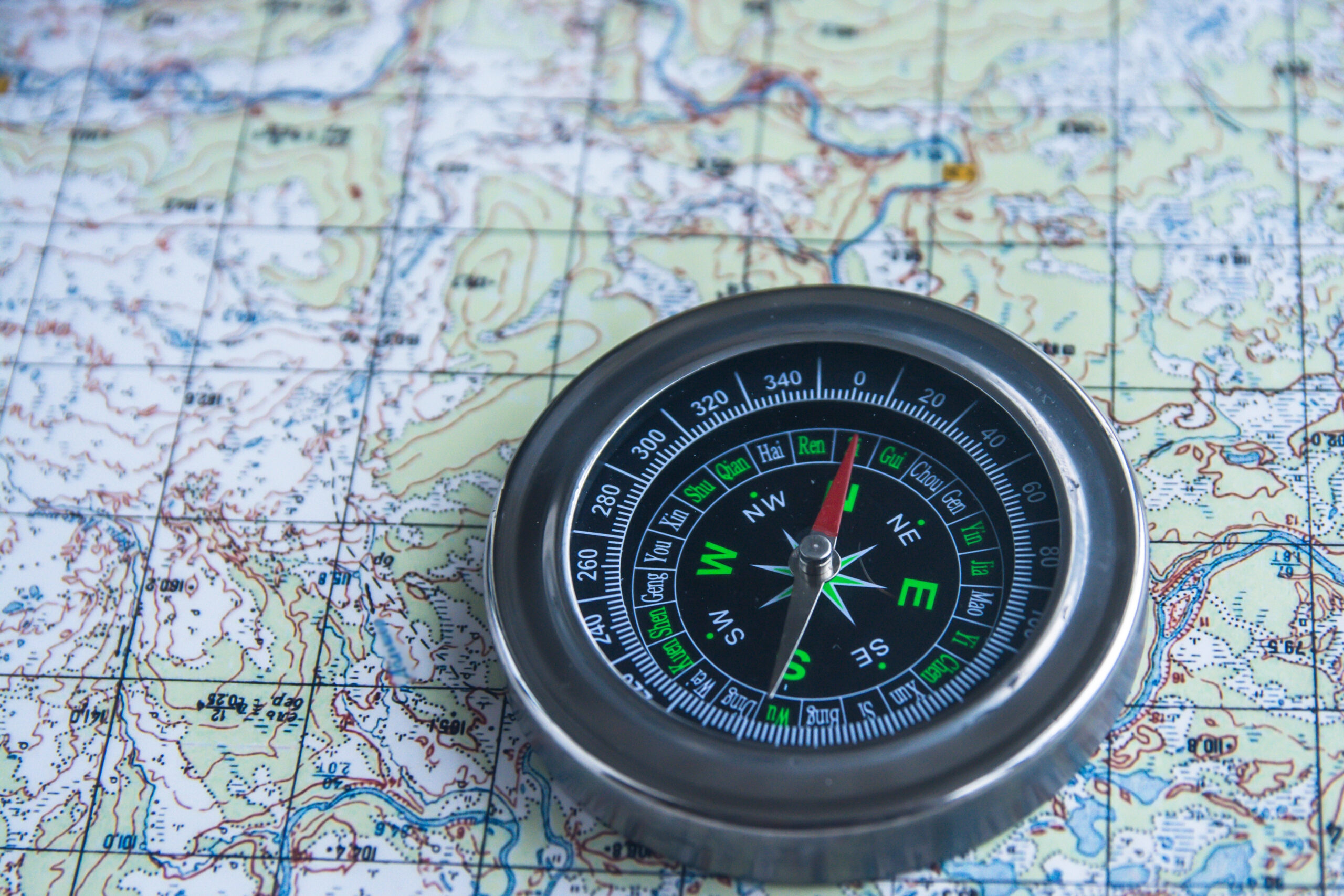
Use a Compass, Not a Map
Stephen's alternative is simple: use a compass, not a map. A map assumes you know the route and measures progress by whether you followed it. A compass tells you which way you're headed and lets you keep asking whether you're still pointed right, or whether you should shift a few degrees. He calls it meandering with purpose.
Notice what he isn't saying. Goal-free is not goal-less. You keep the purpose and the direction. You loosen your grip on the route.
That's the first letter of the YES AND framework: Y: Yield to What Is, Let Go of What Was, Build Towards What Can Be. Yielding isn't giving up on the change. It means starting from where things actually are today, not where your plan said they'd be by now. Letting go of what was includes the old way of working, and it also includes the version of your plan you wrote before you knew what you know now.
In improv, the moment you're in trouble is the moment you think you know exactly how the rest of the scene should go. You stop listening to your scene partner, and everything they give you feels like an interruption to your script. A rollout works the same way.
Small Steps, Creative Thinking, and the YES AND Framework
So how do you move without the full map? That's the S: Start Small, Take Small Steps. My version is Act, Analyze, Adjust. Take one step, see what comes back, adjust. MINS (Make It Next Step) is the habit of turning the big, vague thing into the very next action you can actually take.
The map doesn't only make you rigid. It shuts down creativity.
A plan is a convergent tool. It narrows your options so you can execute, which is great once you know what to do but is kinda terrible for figuring it out. The A in the framework, Access and Apply Your Inner Creative Genius, depends on divergent thinking: generating options, noticing things you weren't looking for. Stephen phrased it as being hyper-aware of your surroundings and treating whatever's happening around you as data points.
Your team is standing in those surroundings. They see how the new tool really gets used and which part of your message landed as noise. If the plan has no room for what they notice, you've switched off your best source of data. You've also told the people you want excited that their ideas aren't needed.
Four Questions to Make Your Change More Adaptable
Here's a way to try this on your own change. Four questions:
1) What's the direction? One sentence on where we're headed and why it matters to the people doing the work. Not steps. Direction.
2) What are we treating as fixed, that's actually a guess? The timeline, the sequence, the message. Most plans have more guesses in them than anyone admits.
3) What's the smallest next step that would teach us something? Something you could do in the next week or two.
4) Who's closest to the work, and when do we ask what they noticed?
These are easy to read yet surprisingly hard to answer about your own change, especially when you wrote the plan. It helps to have someone across the table asking.
That's what a YES AND Gameplan is for. It's a working session where we take the change you're actually leading and fill in your version of this: the direction, what's worth letting go of, and your next small step. Book your YES AND Gameplan here: https://avishparashar.com/Gameplan/
And if you'd rather get a whole team thinking this way at once, that's what my keynotes and workshops are built for. Learn more about working with me: https://avishparashar.com/
A plan is a good place to start. It's a bad thing to blindly stick to.
P.S. Stephen and I get into a lot more, including why he doesn't trust best practices and what his own team is missing. Listen to the episode here: https://avishparashar.com/say-yes-and-to-playing-with-a-full-deck-with-stephen-shapiro/